This is How The Japanese Government Suppress Resistance and Dissent in Korea?

The period of Japanese rule in Korea lasted from 1910 to 1945 and was characterized by the exploitation and oppression of the Korean people.
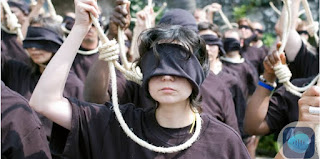
The Japanese colonial government was determined to maintain control over the Korean peninsula and suppress any form of resistance or dissent. As a result, Korean revolutionaries who sought to overthrow Japanese rule were treated harshly and often executed by Japanese soldiers.

The executions were a part of the broader effort by the Japanese government to maintain control over the Korean people and stamp out any form of dissent. This was accomplished through a combination of tactics, including censorship, propaganda, and violence.
The executions were used as a warning to others who might consider opposing Japanese rule, and they were a powerful tool in maintaining the stability of the colonial government.
The legacy of the executions and other forms of repression during the period of Japanese rule in Korea have had a lasting impact on the Korean people. The memory of these events has contributed to a long-standing resentment and mistrust towards Japan, which persists to this day.

The executions serve as a reminder of the deep wounds inflicted on the Korean people during this period of their history, and they continue to shape the relationship between Korea and Japan in the present day.
The good news: The time is now, "The King of Kings" is Calling you, Repent from your ways of sins for the time is now
I appreciate you reading. Post your ideas in the space provided for comments below.
Read more on our Rare History Channel







Comments
Post a Comment